Why Multicolour Toys Are Important For Kids During Early Childhood?
Why Multicolour Toys Are Important For Kids During Early Childhood?
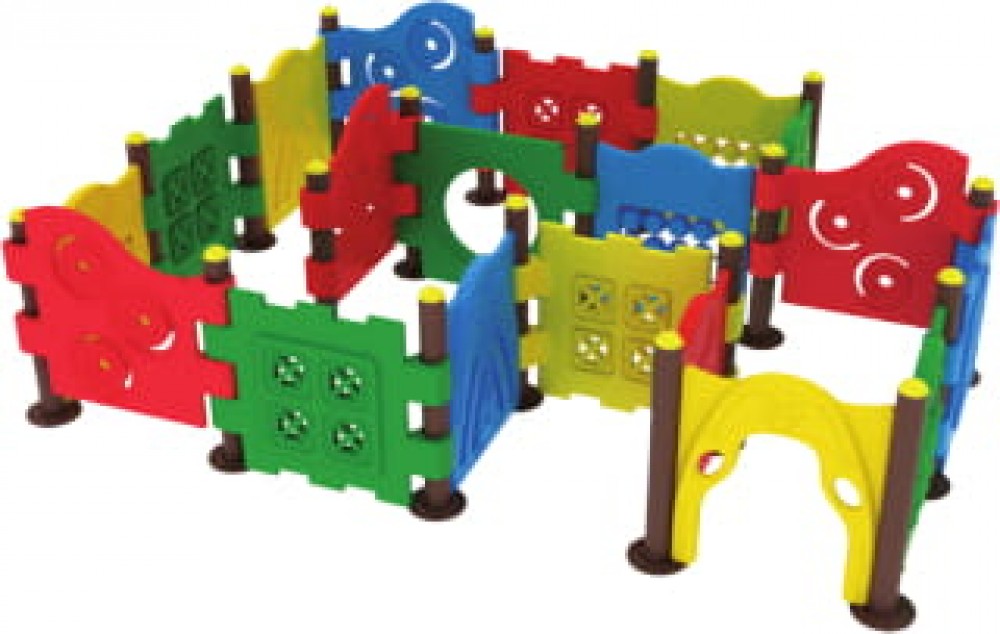
Multicolour toys play a crucial role in early childhood development for several reasons, touching upon cognitive, emotional, and physical growth. Their importance is multi-faceted:
-
Stimulates Visual Perception: Babies are born with a limited ability to distinguish colors. Around 4 months, they start to differentiate between colors more clearly. Multicolour toys help stimulate and develop their visual perception, making it easier for them to discern differences as they grow.
-
Enhances Cognitive Development: Playing with multicolour toys helps children make connections between objects and their meanings. For instance, they begin to understand that the sky is blue or that leaves are green, enhancing their cognitive mapping of the world around them. Learning colors is also foundational to reading and math, as it helps children recognize, sort, and categorize objects.
-
Promotes Language Skills: As children learn to identify colors, they also begin to add new words to their vocabulary. This practice in naming colors, describing toys, and expressing preferences helps enhance their language skills, fostering better communication.
-
Encourages Creativity and Imagination: Bright, vibrant colors can stimulate the imagination, encouraging creative play. Children might imagine a blue block is a pool of water or a red one is a fire truck. This imaginative play is crucial for creative thinking and problem-solving skills later in life.
-
Aids in Emotional Development: Colors can influence mood and emotions. Bright colors can stimulate and uplift, while softer colors might be calming. Playing with a diverse palette allows children to explore and express their emotions, helping them understand and articulate their feelings better.
-
Facilitates Learning and Memory: Colors can improve memory by creating visual associations. For example, a child might remember a yellow sun or a green leaf more easily. This association helps in learning and recalling information effectively.
-
Supports Physical Development: Playing with toys often involves activities like stacking, sorting, or assembling, which enhance fine motor skills and hand-eye coordination. The variety of colors can make these activities more engaging, encouraging children to practice these skills more frequently.
-
Encourages Social Interaction: Toys that come in various colors can be used in group settings to promote social interaction. Children can learn to share, take turns, and play collaboratively, enhancing their social skills.
-
Teaches about Diversity and Inclusion: Through the variety of colors, children can learn about diversity and the beauty of differences. This understanding can extend to recognizing and appreciating diversity among people, promoting inclusiveness from an early age.
Multicolour toys are not just about aesthetic appeal; they are vital tools that support the holistic development of children during their formative years. They cater to learning and development across a spectrum of areas, making them invaluable in early childhood.

